Frenchie Allergy Treatment: $500–$2K/Year — Does Insurance Help?
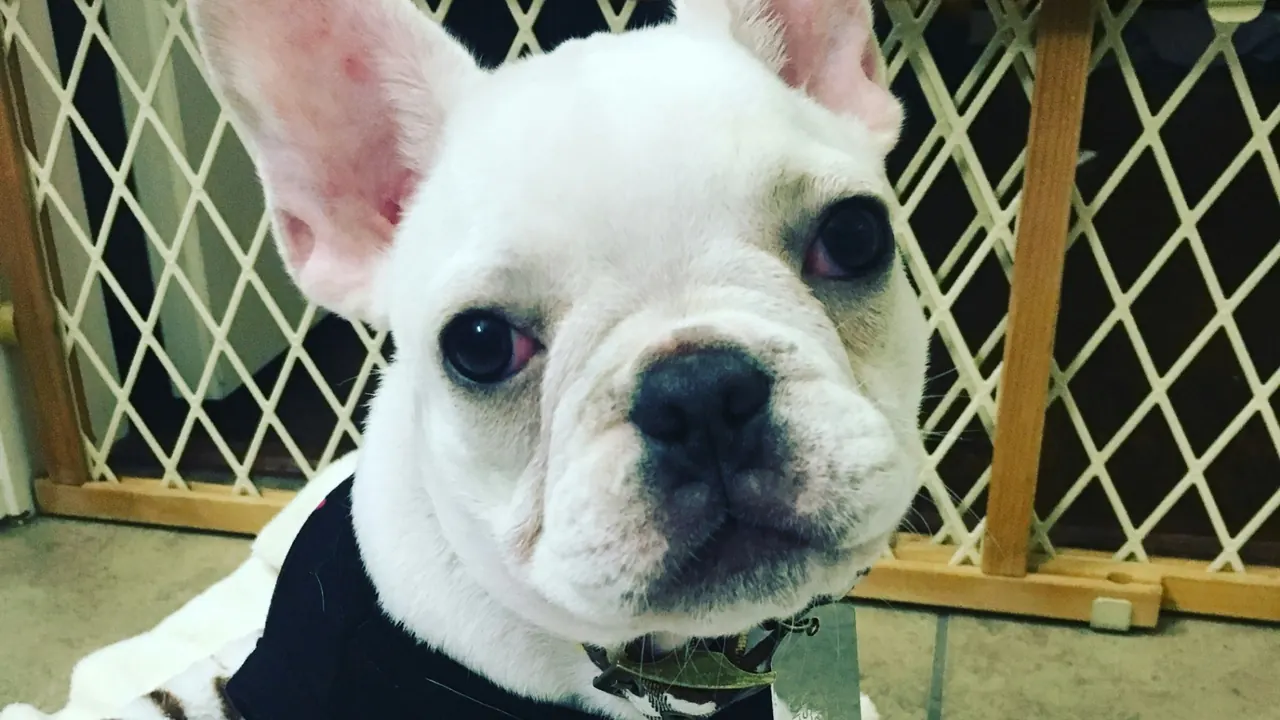
Itching, paw licking and repeat ear infections are common in the breed. Here's what allergy care costs each year, and which parts a policy usually pays for.
Quick Answer
French Bulldog allergy care generally runs $500–$2,000 a year: antihistamines $100–$300, Apoquel $600–$1,200, Cytopoint $900–$2,400, and testing $300–$700 once. Comprehensive policies usually cover diagnosis and medication when allergies are not already in the records. Prescription food is typically excluded unless a wellness add-on is attached.
**Short answer:** allergy care for a French Bulldog generally costs $500–$2,000 a year, and more when a case needs Cytopoint or year-round Apoquel. Comprehensive policies usually pay for the vet visits, testing and medication, provided no itching, ear infection or paw licking is already in the records. Prescription food is normally excluded unless a wellness add-on is attached.
Allergic skin disease is one of the more frequent reasons this breed sees a vet, and it behaves less like a single event than a recurring subscription. The sections below cover what triggers it, what each treatment costs, what a policy usually pays, and where the coverage tends to run out.
## What causes allergies in French Bulldogs?
Three categories account for most cases. Environmental allergens — pollen, dust mites, mold, grass — are the largest group and often seasonal at first, then year-round as a dog ages. Food proteins come second, with beef, chicken, dairy, wheat and soy appearing most often in reported cases; our diet and nutrition guide covers the elimination process. Contact reactions to detergents, shampoos or bedding fabrics are less common but easier to fix. Many Frenchies have more than one trigger at a time, which is part of why the itch rarely disappears after a single change. The breed's skin folds add a secondary problem: trapped moisture invites bacterial and yeast infections on top of the underlying allergy.
## What symptoms should you watch for?
Paw licking and chewing, face rubbing, belly and armpit redness, hair loss around the eyes, recurring ear infections, and loose stools when food is involved. Ear problems in particular travel with allergies often enough that repeat infections are worth investigating as a symptom rather than treating in isolation — ear infection costs covers that pattern. Skin fold dermatitis and a musty smell usually indicate secondary infection, which needs its own treatment before allergy control shows any benefit.
## How much does allergy treatment cost per year?
Diagnosis comes first. A supervised elimination diet generally runs $200–$500 over 8–12 weeks; intradermal or serum allergy testing for environmental triggers adds $300–$700, usually once. From there, cost tracks severity. Shampoos and antihistamines sit at $300–$600 a year. Daily Apoquel is roughly $50–$100 a month, so $600–$1,200 annually. Cytopoint at $150–$300 every 4–8 weeks reaches $900–$2,400. Immunotherapy — allergen drops or injections tailored to the test results — costs $600–$1,200 a year and aims to reduce reactivity over time rather than suppress it. Add secondary ear or skin infections at $150–$350 per episode, and the working range across the breed is $500–$2,000, with severe year-round cases running higher. For context against the breed's other conditions, see the full health cost breakdown and typical vet costs without insurance.
## Does pet insurance cover allergy treatment?
Comprehensive illness plans generally do: the exam, the diagnostics, the medication, and specialist dermatology referrals. At 80% reimbursement after a $250 deductible, a $1,800 year typically returns around $1,240. Accident-only plans cover none of it, which is one of the clearer arguments in the accident-only versus comprehensive comparison. Two settings matter more here than for one-off surgeries: the annual limit, since allergy claims arrive monthly rather than once, and the deductible type — an annual deductible usually costs less across a year of repeat claims than a per-incident one, as our deductibles guide explains. What a policy covers sets out the general scope, and the 2026 plan comparison shows how carriers differ on chronic conditions.
## What is usually excluded?
Prescription and therapeutic diets are typically treated as food rather than medication, so they fall outside illness coverage — a wellness add-on sometimes reimburses part of the $720–$1,200 annual cost. Over-the-counter antihistamines and medicated shampoos bought without a prescription generally are not reimbursed either. The larger exclusion is timing: symptoms documented before the policy starts, or during the 14–30 day illness waiting period, are usually excluded for the life of the policy. Because allergic skin disease is normally classified as chronic rather than curable, it rarely regains eligibility the way a resolved infection can — the mechanics are in the pre-existing conditions guide and the skin allergy coverage guide.
## When should you enroll to keep allergies covered?
Before the first note appears, which in practice means early. Allergy signs often surface between six months and three years, so a policy taken out at eight or ten weeks usually predates anything a vet would write down — the reasoning behind the puppy enrollment guide and the best age to insure analysis. If a diagnosis already exists, a policy still has value for unrelated events, and buying after a diagnosis walks through what stays available.
There is a stretch most owners recognize, somewhere in the second year. The shampoo helped for a while, then it didn't. The food changed twice. The vet mentions a dermatology referral and the number attached to it, and the question quietly shifts from what is wrong with the dog to whether the policy signed a year ago will still be reading this as a new problem or as something already written down. That answer was usually decided long before the itching started, in a routine checkup nobody thought twice about.
None of this makes allergies the expensive part of owning this breed — IVDD and BOAS sit well above it. It is the persistence that matters: a few hundred dollars a quarter, indefinitely, against a policy that either treats it as covered illness or doesn't. Weighing that against setting money aside is covered in insurance versus a savings account, and how to choose a plan lists the settings to check before you buy.
People Also Ask
How much does it cost to treat French Bulldog allergies?
Mild cases managed with medicated shampoo and antihistamines commonly run $300–$600 a year. Cases needing daily Apoquel ($50–$100 a month) or Cytopoint ($150–$300 every 4–8 weeks) generally land between $1,200 and $3,000, plus $300–$700 once for testing.
Does pet insurance cover Cytopoint for dogs?
Usually, under comprehensive illness coverage, provided no allergy symptoms appear in the records before enrollment or during the waiting period. Each injection costs $150–$300, and reimbursement follows the plan's percentage after the deductible.
Is Apoquel or Cytopoint better for a French Bulldog?
They work differently rather than one being better. Apoquel is a daily tablet with fast onset and flexible dosing; Cytopoint is an injection lasting 4–8 weeks and is often easier for dogs that resist pills. Some vets combine them during a flare.
Does pet insurance cover allergy testing for dogs?
Diagnostics are generally covered under illness coverage, including intradermal skin testing and serum blood panels, when the allergy is not pre-existing. Elimination-diet food is usually treated as a food expense rather than a medical one.
Are French Bulldog allergies considered a pre-existing condition?
If scratching, ear infections or paw licking are documented before the policy starts or during the waiting period, carriers typically exclude allergic skin disease afterwards. Once logged as chronic, it rarely regains eligibility, unlike a one-off curable issue.
Do allergies in French Bulldogs ever go away?
Environmental allergies are usually managed rather than cured, often seasonally. Food allergies can be controlled indefinitely by removing the trigger. Immunotherapy reduces reactivity over 6–12 months in a meaningful share of dogs but is not a guaranteed cure.
Related Frenchie Insurance Guides
- 5 Diet Changes That Cut Frenchie Vet Bills (Owner's Guide)
- 7 Costly French Bulldog Health Issues (Up to $10K Each)
- Frenchie Wellness Plans: Worth $10–$30/Mo or a Waste?
- French Bulldog Skin Allergies: What Insurance Actually Covers ($500–$2K/Year)
- Frenchie Ear Infections: $100–$300/Episode — Will Insurance Pay?