Frenchie Cherry Eye Surgery: $1,000–$2,500 Per Eye
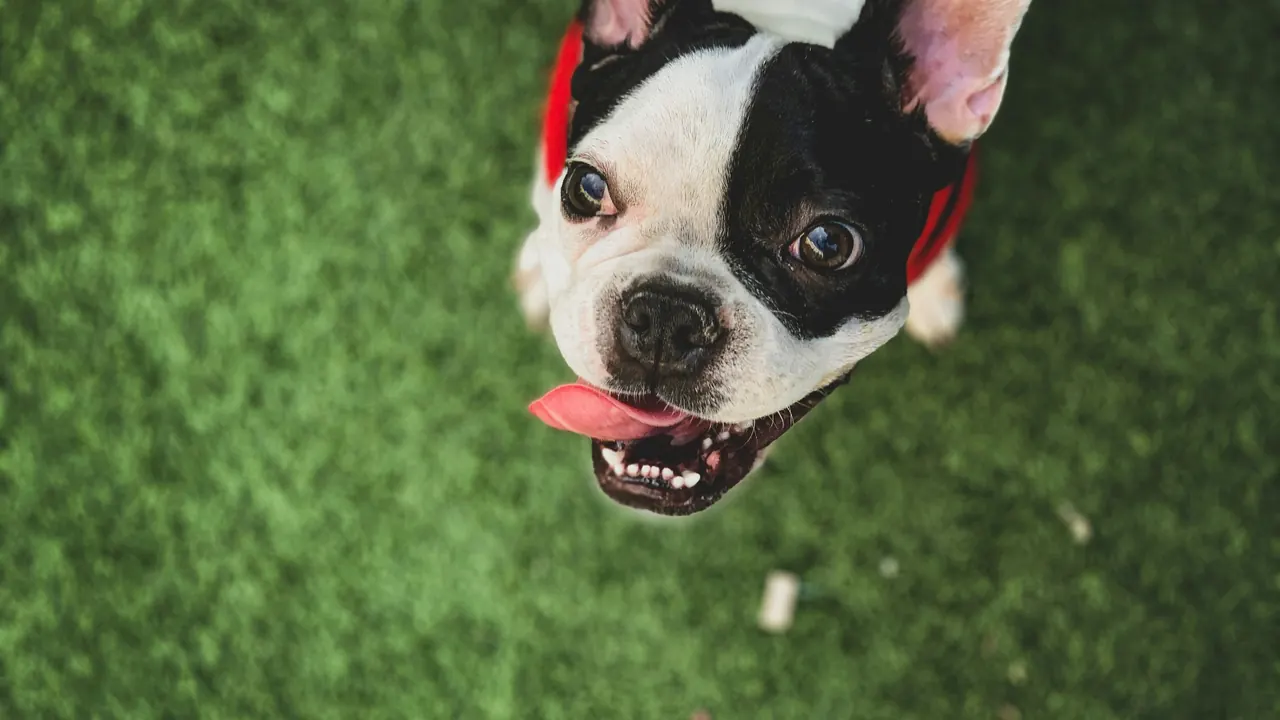
Cherry eye repair for a French Bulldog generally runs $1,000–$2,500 per eye. Which plans usually cover it, how the techniques compare, and why enrollment timing decides the claim.
Quick Answer
French Bulldog cherry eye surgery generally costs $1,000–$2,500 per eye, or $3,000–$5,000 when both eyes are affected. Most comprehensive plans cover it as a hereditary condition when the prolapse appears after enrollment and the illness waiting period has passed. Bilateral clauses can exclude the second eye when the first was already documented.
**Short answer:** cherry eye surgery for a French Bulldog generally costs $1,000–$2,500 per eye, and most comprehensive insurance plans cover it as a hereditary condition, provided the prolapse shows up after enrollment and after the illness waiting period. If either eye was mentioned in the medical record before the policy started, that eye, and often the other one under a bilateral clause, is typically excluded.
Cherry eye is a prolapsed third eyelid gland: the red, fleshy mass that appears in the corner of the eye, sometimes overnight. It rarely threatens sight on day one, but it seldom resolves on its own either, and an exposed gland tends to reduce tear production over time, which is why most vets recommend repositioning it surgically rather than managing it with drops. The breed context sits in our French Bulldog health costs overview.
## Why are French Bulldogs prone to cherry eye?
The gland that produces roughly a third of the eye's tears is normally anchored behind the third eyelid. In Frenchies the connective tissue holding it tends to be weaker, a hereditary trait rather than anything an owner causes, and the gland slips forward. Most cases appear before age two, one eye first and the second sometimes weeks or months later. Because the timing clusters so early in life, it is one of the stronger arguments for insuring a Frenchie as a puppy, which is also the cheapest age to enroll.
## How much does cherry eye surgery cost?
At a general practice, repositioning generally runs $1,000–$2,500 per eye, with the upper end in metro areas. A veterinary ophthalmologist commonly charges $2,000–$3,500, which owners tend to choose for a recurrence or when both eyes need work in one session. The anesthesia component is a real slice of the bill for this breed, since flat-faced dogs need closer airway monitoring, the same reason BOAS surgery carries higher fees. Aftercare, the cone, antibiotic and anti-inflammatory drops, and one or two rechecks, typically adds $200–$500.
## Which surgical technique do vets use?
Two approaches dominate. The pocket technique tucks the gland into a small sutured pouch and preserves tear production; it is the more common recommendation, though the sutures occasionally fail and the gland re-prolapses. Tacking anchors the gland to deeper tissue and holds well but risks a suture rubbing the cornea if placement is imperfect. Removal of the gland is the older, cheaper option, most surgeons now avoid it, because losing the gland materially raises the odds of chronic dry eye later in life. Asking which technique your vet prefers, and why, is a reasonable question before you book.
## Does pet insurance cover cherry eye surgery?
Most comprehensive US plans treat cherry eye as a hereditary or congenital condition and cover the surgery, aftercare and rechecks under one claim, reimbursing 70–90% after the deductible. Three conditions usually have to hold. The prolapse has to appear after the policy starts and after the illness waiting period, typically 14 days, set out in our waiting periods guide. Hereditary coverage has to be included, which most carriers do as standard while a minority still carve it out, one of the wording checks in what a policy covers. And nothing eye-related can already sit in the record, because even a note about redness or swelling can mark the eye as pre-existing.
## What is the bilateral clause, and why does it matter here?
Many policies treat paired body parts, eyes, ears, hips, knees, as one condition. If the left eye prolapsed before enrollment, the carrier may exclude the right eye as well, on the reasoning that the underlying weakness was already present. Since cherry eye affects both eyes in a meaningful share of Frenchies, this clause decides more claims than owners expect. It sits in the definitions section of the policy rather than the exclusions list, and choosing a plan is one of the few chances you get to compare how carriers word it.
## What does a cherry eye claim look like in practice?
You generally pay the clinic at discharge and claim afterwards, so the $1,500 or so lands on your card first. A clean claim is an itemized invoice, the surgical note naming the technique, and the record showing no earlier eye complaint, our claim filing guide walks through the documents. Reimbursement commonly arrives within two to four weeks. At 80% with a $250 deductible already met, a $1,800 surgery returns about $1,440; the same surgery inside the waiting period, or with a pre-dated vet note, returns nothing.
## What if my Frenchie already has cherry eye?
The affected eye is generally excluded for good, and the other eye may follow under the bilateral clause. That narrows the policy rather than voiding it: the breed's other expensive conditions, IVDD, airway surgery, allergies, remain insurable, and getting covered after a diagnosis explains what stays on the table. For the eye itself, owners without coverage commonly ask the clinic about staged payment or a bundled fee that includes the rechecks, which several practices offer for planned procedures.
## A note from the inbox
Cherry eye mail arrives here with photos attached more often than any other condition, usually taken at midnight, usually with the same question: is this an emergency or can it wait until morning? The answer is generally morning, which nobody believes until their regular vet says it too. The letters that stick are the other kind: the owner who enrolled at nine months, noticed the cherry at fourteen months, and found a single line in the puppy notes, 'mild conjunctival swelling, resolved', that the carrier read as a pre-existing eye condition. Whether that reading was fair is above our pay grade. But it is the reason we suggest asking your vet, once, whether the record mentions eyes at all. A ten-second question at a routine visit is occasionally worth $2,000. Allen
People Also Ask
Is cherry eye surgery covered by pet insurance?
Most comprehensive plans cover it as a hereditary or congenital condition, provided the prolapse appears after enrollment and the illness waiting period has passed. Accident-only plans generally exclude it, since it is classified as an illness.
How much does cherry eye surgery cost for a French Bulldog?
Repositioning surgery generally runs $1,000–$2,500 per eye at a general practice, and $2,000–$3,500 with a veterinary ophthalmologist. Both eyes are commonly affected, which can bring the total to $3,000–$5,000.
What causes cherry eye in French Bulldogs?
A genetic weakness in the connective tissue that anchors the third eyelid gland. It appears most often in Frenchies under age two and can affect one or both eyes, sometimes weeks apart.
Can cherry eye heal on its own?
Occasionally a mild prolapse settles temporarily with massage and anti-inflammatory drops, but recurrence is common. An untreated gland tends to reduce tear production over time, so most vets recommend surgical repositioning rather than waiting.
Does the bilateral clause apply to cherry eye?
At many carriers, yes. If one eye was documented before enrollment, the policy may treat the second eye as pre-existing too, even if it was healthy at signup. The bilateral wording is worth checking before you rely on the coverage.
How long is recovery after cherry eye surgery?
Typically two to three weeks: an E-collar, antibiotic and anti-inflammatory drops, and one or two rechecks. The aftercare commonly adds $200–$500, usually bundled into the same claim as the surgery.
Related Frenchie Insurance Guides
- 7 Costly French Bulldog Health Issues (Up to $10K Each)
- BOAS Surgery for Frenchies: $3K–$5K, Is It Covered?
- Pre-Existing Conditions & Frenchie Insurance: What's Still Covered?
- Can You Get Pet Insurance After a Frenchie Is Diagnosed? (Honest Answer)
- IVDD Surgery for French Bulldogs: $5K–$10K, What Insurance Covers