How to File a Frenchie Insurance Claim (Step-by-Step, No Delays)
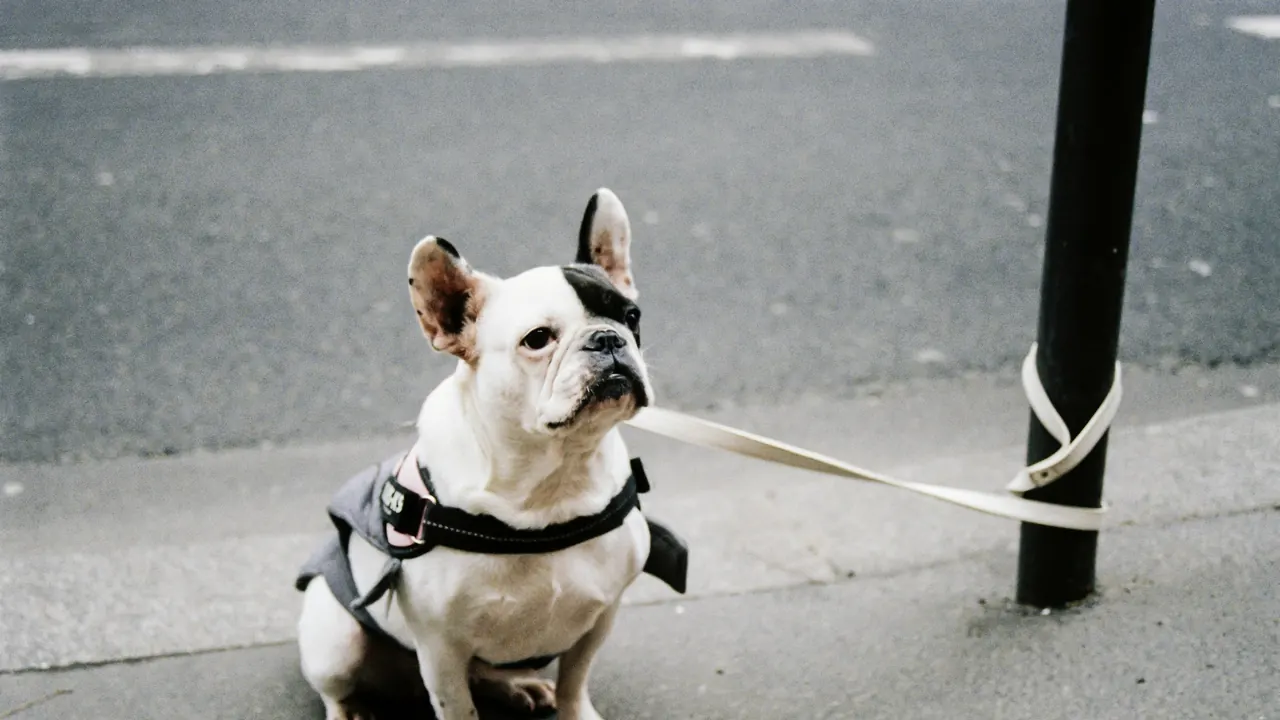
Pay the vet, send the itemized invoice and records, and file within days. Here's the process that gets a Frenchie claim reimbursed without the back-and-forth.
Quick Answer
To file a French Bulldog insurance claim, pay the vet in full, then submit the itemized invoice, the diagnosis and the visit notes through your insurer's app. Most claims settle in 5–14 business days, and direct deposit is generally the fastest payout. Denials usually trace to a missing invoice line or medical history, and can be appealed.
**Short answer:** pay the vet in full, then send your insurer the itemized invoice, the written diagnosis and the visit notes — through the app, ideally the same week. Most claims settle in 5–14 business days, and direct deposit generally beats a mailed check by several days. Denials most often trace to a missing invoice line or an incomplete history, and both are appealable.
**How does the pet insurance claim process actually work?** Nearly every plan reimburses rather than paying at the counter, which is the part that surprises new owners. You settle the bill at the clinic, submit proof of what you were charged and why, and the insurer pays back its share after the deductible and reimbursement percentage are applied. A small number of carriers can pay the practice directly, but that arrangement has to exist before the appointment. If you're still choosing a plan, the carrier reviews cover how each one handles claims in practice.
**What documents does an insurer need?** Four things, and the first one trips up the most people: an itemized invoice, the written diagnosis, the treating vet's notes for that visit, and any lab or imaging results. A card receipt shows a total with no line items, so it generally gets bounced back. Ask the front desk for the itemized version before you leave — it takes them thirty seconds at checkout and considerably longer over the phone two weeks later. For a Frenchie, the notes attached to breathing, spinal or skin visits are the ones adjusters read closely, because those are the conditions the breed claims on most.
**How soon should you file?** Filing windows commonly run 90–180 days from the date of service, so there is room, but there's little upside in using it. Filing the same week means the clinic still has everything to hand, and the reimbursement clock starts earlier. It also matters when a claim spans the tail of a waiting period — the dates on the invoice and the notes are what the adjuster compares, and a stale submission invites a records request rather than a payment.
**How long does reimbursement take?** Most carriers quote 5–14 business days from a complete submission. Simple accident claims can clear faster; anything involving a specialist, imaging or a records request from a previous clinic tends to stretch toward 30. Direct deposit set up in advance generally shaves several days off the end of that. The number people fixate on is the processing time, though the delay usually sits earlier, in how long it took to get a complete file in front of someone.
**Why do claims get denied?** Five reasons cover most of it: the condition was already in the medical record before the policy started, a symptom appeared during a waiting period, the invoice wasn't itemized, the medical history submitted was incomplete, or the treatment falls outside the plan — routine care on an accident-and-illness policy, or an illness on an accident-only plan. The first is the one that costs Frenchie owners most, and it's worth understanding how insurers read the record: our guide to pre-existing conditions covers the 12–24 month lookback that usually gets pulled at the first claim rather than at enrollment.
**How do you appeal a denial?** Start by requesting the written reason, in the insurer's own words, rather than working from the summary line on the app. Then take that reason to your vet and ask for a short letter addressing it specifically — that a note from a puppy checkup about occasional soft stool is unrelated to the allergy diagnosed three years later, for instance. A vet letter separating a new problem from an old entry carries weight that an owner's explanation does not. Appeals turn most often on how a record was interpreted, and interpretation is something a clinician can speak to.
**What's different about filing a Frenchie claim?** The bills are larger and the paperwork is heavier. A BOAS correction or an IVDD episode usually involves a referring vet, a specialist, imaging and a surgical invoice from a hospital that bills separately. Sending those as one package, rather than as they arrive, tends to avoid the records request that adds a week. For a claim in the thousands, it's also worth checking your annual limit before treatment starts, since IVDD recovery and follow-up rehab bill separately from the surgery itself and draw down the same cap.
**Can you avoid the back-and-forth entirely?** Largely, with three habits. Ask for the itemized invoice at checkout every visit, including routine ones, so the history is already on file. Upload from the parking lot while the visit is fresh. And send the complete record rather than the part that seems relevant — an omitted symptom looks like a gap, and gaps get flagged. Owners who file this way tend to describe claims as boring, which is the goal. If you're comparing carriers on how painless this is, the buyer's checklist puts claims handling alongside price, and the best plans guide covers who reimburses quickly.
There's a particular version of this that shows up in messages more than any other. It isn't the first claim, which people tend to over-prepare. It's the third or fourth, eighteen months in, when the process has become routine enough that someone snaps a photo of the card receipt instead of the invoice, uploads it from the car, and forgets about it. Three weeks later there's a request for records, then a second one, then a partial payment for reasons nobody can quite reconstruct. The dog is fine. The money arrives eventually. What people describe is the strange fatigue of chasing a few hundred dollars they'd already mentally spent, over a document they had in their hand at the counter and didn't ask for. Ask for the itemized invoice. Every time, even for a nail trim. — Allen Lee
People Also Ask
How long does a pet insurance claim take to pay out?
Most claims settle in 5–14 business days from submission. Straightforward accident claims can clear in a few days; claims that need medical records from a second clinic, or that involve a large surgical bill, commonly run to 30 days.
What documents do you need to file a pet insurance claim?
An itemized invoice showing each charge, the written diagnosis, the treating vet's visit notes, and any lab or imaging results. A credit card receipt on its own is generally rejected because it shows a total but no line items.
Why do pet insurance claims get denied?
The common reasons are a condition already documented in the records before enrollment, a symptom that appeared during a waiting period, a missing itemized invoice, incomplete medical history, or care that falls outside the plan — routine and grooming-adjacent services on an accident-and-illness policy.
Can you appeal a denied pet insurance claim?
Yes. Ask for the written reason, then submit an appeal with supporting documentation — usually a short letter from the treating vet addressing the exact point the insurer raised. Appeals succeed most often when the denial rests on how a record entry was read rather than on plan terms.
Does pet insurance pay the vet directly?
Usually no. Most carriers reimburse the owner after the bill is paid. A few, including Trupanion at participating clinics, can pay the practice at checkout, but the clinic has to be set up for it beforehand — worth confirming before an expensive surgery, not after.
How do you file a claim for a French Bulldog surgery?
The process is the same, but the paperwork is heavier. For BOAS, IVDD or hip surgery, submit the specialist's report, imaging, the surgical invoice and the referring vet's earlier notes together. Sending them as one package tends to avoid a records request that adds a week or more.
Related Frenchie Insurance Guides
- Best Pet Insurance for French Bulldogs (2026 Comparison)
- Pre-Existing Conditions & Frenchie Insurance: What's Still Covered?
- Accident-Only vs. Comprehensive Insurance for Frenchies (Honest Take)
- Pet Insurance Waiting Periods: Why Frenchie Owners Can't Wait
- French Bulldog Insurance Deductibles: $250 vs $500 vs $1,000 (Which Saves More?)
French Bulldog Insurance by State
Tools & Resources
Carrier information notice
Coverage, pricing, waiting periods and policy terms described on this page were drawn from publicly available sources at the time of review and can be changed by the carrier at any time without notice. Descriptions are summaries rather than policy language, and any rating or recommendation is our editorial opinion, not a statement of fact. Company names and logos are the property of their respective owners; we are not affiliated with, endorsed by, or acting on behalf of any insurer, and nothing here is a quote or an offer of insurance. Verify current terms directly with the provider before enrolling. See our disclosure and legal notice.