How to Prevent IVDD in French Bulldogs: 9 Daily Habits That Lower the Risk
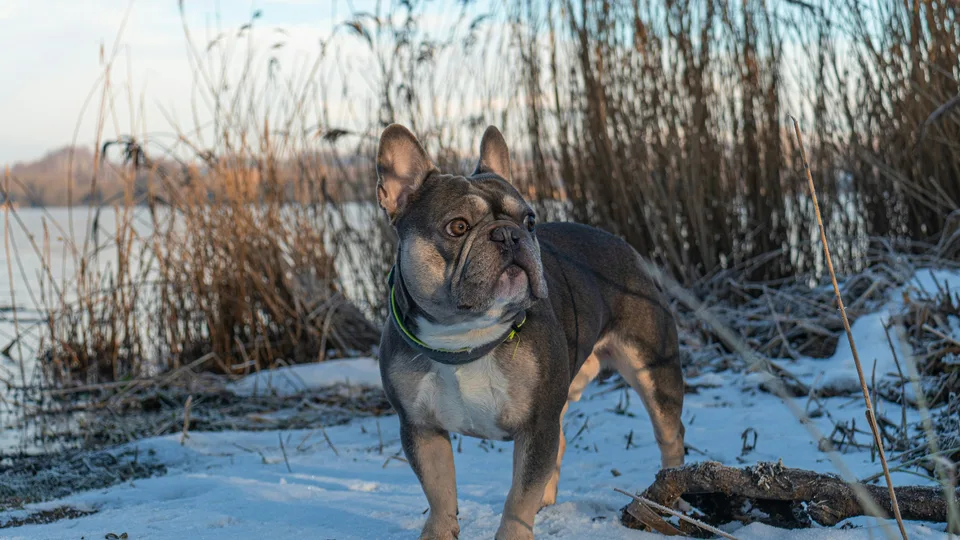
Roughly 1 in 5 Frenchies develops IVDD. You can't change their genes, but a Y-harness, ramps, lean weight, and knowing the early warning signs all help lower the odds.
Quick Answer
IVDD risk in French Bulldogs is largely genetic and can't be eliminated, but nine daily habits appear to lower the odds of an episode: a Y-shaped chest harness instead of a collar, ramps instead of jumping, lean body weight, controlled exercise, limited rough wrestling, joint supplements, watching for early warning signs, regular vet checks, and avoiding spinal twists.
About 1 in 5 French Bulldogs will have at least one IVDD episode in their lifetime. That's a brutal stat, and the genetics behind it, the same chondrodystrophic gene that gives Frenchies their short, sturdy legs, isn't something you can change. What you can change is how often your dog's spine takes preventable stress. The right daily habits appear to lower episode risk, and the wrong ones, collars, jumping, extra weight, stack the deck against an already-vulnerable spine.
## Can IVDD be prevented in French Bulldogs?
Not entirely. IVDD is genetic in Frenchies and most other chondrodystrophic breeds (Dachshunds, Corgis, Beagles, Basset Hounds). But the lifetime episode rate is heavily influenced by mechanical stress on the spine, and that's where prevention works. Owners who follow the habits below tend to see fewer episodes, milder episodes, and longer windows between them.
## 1. Should you use a harness instead of a collar?
Collars pull directly on the cervical spine (the neck), which is one of the most common locations for IVDD herniation in Frenchies. A Y-shaped chest harness (Ruffwear Front Range, Julius-K9, or similar) distributes leash pressure across the sternum instead of the neck. For most owners it's the quickest prevention change to make, and it costs $25–$45.
## 2. Why is jumping off furniture so risky?
Owners often trace an episode back to a jump. A 25-pound Frenchie hitting a hardwood floor from a 24-inch couch generates compressive forces on the spine that already-calcified discs aren't built to absorb. Train your dog not to jump down, and pick them up off the couch and bed for the first few years.
## 3. Where should you put ramps?
Pet ramps run $30–$120 and replace every dangerous jump in your dog's day with a gentle incline. Place one at the couch, one at the bed, one in the back of the car. Yes, it takes a week of training to get your Frenchie using them reliably. It's worth it.
## 4. How much should a French Bulldog weigh?
Every extra pound puts measurable load on the spine. Frenchies are ideally between 16 and 28 pounds depending on frame, and you should be able to feel (but not see) the ribs easily. Use a body-condition score chart from your vet at every checkup. Weight is one of the more controllable IVDD risk factors, and it's easy to underestimate. See our Frenchie diet and nutrition guide for portion sizes.
## 5. Is rough play with bigger dogs a problem?
Frenchies are sturdy but small. A larger dog landing on a Frenchie's back during play can trigger an immediate herniation in a predisposed spine. Supervise play, choose similar-sized playmates, and stop wrestling at the first sign of overstimulation.
## 6. How much exercise does a Frenchie spine need?
Daily 20–30 minute leash walks build the core and back muscles that stabilize the spine. What you want to avoid: a sedentary weekday followed by a 2-hour hike on Saturday. Sudden bursts of activity in an under-conditioned Frenchie spike herniation risk. Steady and moderate beats intense and sporadic.
## 7. Do joint supplements help?
There's modest but real evidence that omega-3 fatty acids (EPA/DHA, fish oil) reduce inflammation around spinal discs, and that glucosamine/chondroitin support joint and connective-tissue health. Expect $15–$40/month for quality supplements. They're not a substitute for the mechanical-prevention habits above, but they're a low-risk addition.
## 8. What are the early warning signs of IVDD?
Catch IVDD before it becomes a paralysis emergency. Early signs to watch for: reluctance to jump (when they normally would), a hunched or arched back, yelping when picked up, holding the head low, dragging a paw, or a sudden change in gait. Any of these warrant a same-day vet call. Conservative treatment for Grade 1–2 IVDD ($300–$1,000) has a far better outcome than emergency surgery for Grade 4–5.
## 9. Are routine vet checks and early imaging worth it?
Annual exams catch subtle gait or posture changes before they become symptoms. If your Frenchie comes from a line with known IVDD history, ask your vet about screening MRI in young adulthood (age 2–4). Early imaging won't prevent IVDD, but it can flag at-risk discs and tighten your prevention plan.
## Does insurance cover IVDD?
Even with perfect prevention, the 1-in-5 lifetime risk doesn't drop to zero. Comprehensive pet insurance enrolled before symptoms covers IVDD surgery, hospitalization, and rehab at 70–90%, turning a $7,500 event into a roughly $1,800 out-of-pocket bill in a typical claim. Costs vary by procedure, we break the range down in our French Bulldog spine surgery cost guide. The catch: most insurers have a 6–12 month orthopedic waiting period on top of the standard 14-day illness wait. We break that down in IVDD insurance waiting periods for French Bulldogs.
## The bottom line
Genetics load the gun; daily habits influence whether it goes off. Switching to a harness, blocking jumps, adding ramps, and keeping your Frenchie lean are four changes that cost little and stack well together. Combine that with comprehensive insurance enrolled while your Frenchie is still symptom-free, and you've covered both prevention and the worst-case financial scenario.
### One owner to another
We put the couch ramp off for about a year because it looked ridiculous in the living room, and our Frenchie ignored it for the first week anyway. The thing that finally worked was feeding him dinner at the top of it. I'm not a vet and not an agent, we don't sell, issue, or bind policies here, but of everything on this list, the harness and the ramps were the two that took an afternoon and stuck.
People Also Ask
Can IVDD be prevented in French Bulldogs?
IVDD can't be fully prevented because it's genetic, French Bulldogs are chondrodystrophic, meaning their discs calcify abnormally early. But daily habits like harness use, ramps, weight control, and avoiding jumping can significantly reduce the risk of an episode.
What activities should French Bulldogs avoid for IVDD?
Where you can, avoid jumping off couches, beds, and out of cars; rough wrestling with bigger dogs; running up and down stairs; spinal twisting; and any activity that strains the back. Substitute ramps, controlled walks, and supervised play on flat surfaces.
Should I use a harness or collar on a French Bulldog?
For leash walking, most rehab vets recommend a Y-shaped chest harness rather than a neck collar. A collar pulls directly on the cervical spine, which is the most vulnerable section for IVDD in Frenchies. A properly fitted harness distributes pressure across the chest.
Related Frenchie Insurance Guides
- IVDD Surgery for French Bulldogs: $5K–$10K, What Insurance Covers
- Frenchie Spine Surgery Cost: $3,000-$10,000+ in 2026
- French Bulldog IVDD Recovery Cost: 8–16 Weeks of Rehab, Hydrotherapy & Crate Rest
- IVDD Insurance Waiting Periods: Why 6–12 Months Could Cost You $10,000
- 5 Diet Changes That Cut Frenchie Vet Bills (Owner's Guide)