French Bulldog Hip Dysplasia: Surgery Cost & Insurance Coverage (2026)
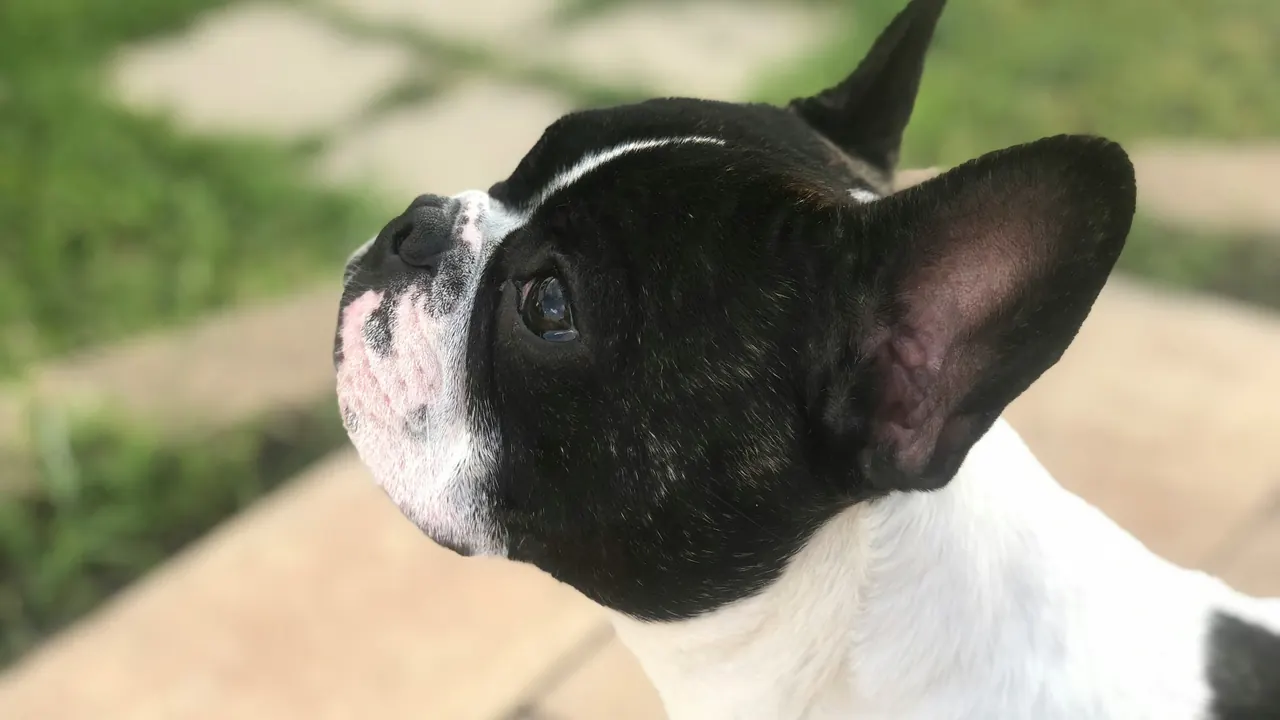
Hip dysplasia shows up in Frenchies more often than most owners expect. Here's what surgery tends to cost, what insurance usually covers, and how to spot it early.
Quick Answer
French Bulldog hip dysplasia surgery generally runs $3,500–$7,000 per hip in 2026: FHO at the lower end, total hip replacement at the top. Comprehensive plans that include hereditary conditions typically reimburse 70–90% after the deductible, leaving roughly $700–$1,800 per hip. Most insurers apply a 6–12 month orthopedic waiting period.
**Short answer:** hip dysplasia surgery for a French Bulldog generally costs $3,500–$7,000 per hip in 2026. A comprehensive policy that includes hereditary conditions and was in place before symptoms appeared typically brings that down to roughly $700–$1,800 per hip at 80% reimbursement after a $500 deductible.
When people picture hip dysplasia, they usually picture a German Shepherd struggling to stand after a nap. French Bulldogs get it more often than that image suggests, the OFA database shows roughly 30% of screened Frenchies with some degree of hip dysplasia, in the same range as Bulldogs and above most small breeds. Screening data skews toward dogs someone had a reason to X-ray, so treat it as a signal rather than a precise breed rate.
Frenchies often compensate well for mild-to-moderate dysplasia thanks to their compact build and muscular hindquarters. When surgery does become the recommendation, the bill is steep and the recovery is long.
## What is hip dysplasia in a French Bulldog?
The hip is a ball-and-socket joint. In a healthy dog the femoral head (ball) sits snugly in the acetabulum (socket). With dysplasia the socket is shallow, loose, or malformed, so the joint grinds, inflames, and tends to develop arthritis over time. In Frenchies, a genetic predisposition combines with a stocky frame to put extra mechanical load on joints that already fit imperfectly. It sits alongside IVDD and BOAS on the short list of structural conditions the breed is known for.
## What are the early signs?
Bunny-hopping when running. Reluctance to climb stairs or jump onto furniture. A swaying or wobbling gait. Hind-leg lameness, often worse after exercise. Audible clicking from the hip. Most Frenchies show a first sign between 4 months and 2 years, though some don't present until middle age. Any one of these is worth a vet visit, and worth knowing that once it's in the chart, insurers will usually treat the hips as pre-existing.
## How is it diagnosed?
Your vet usually starts with a physical exam, flexing the hips and watching for pain or laxity. Confirmation comes from a sedated hip X-ray scored by the Orthopedic Foundation for Animals (OFA) or PennHIP. That workup commonly runs $300–$600 and is the practical way to grade severity and plan treatment.
## What are the surgery options for Frenchies?
Three procedures come up most often. FHO (femoral head ostectomy) removes the painful femoral head and lets scar tissue form a false joint; it runs about $3,500–$5,500 per hip and suits small breeds well, since a lighter dog can load that false joint comfortably.
Total hip replacement (THR) swaps the joint for a metal-and-polyethylene implant at roughly $5,500–$7,000 per hip. It generally produces the best function of the three and is usually reserved for younger, otherwise healthy dogs who'll get many years out of the implant.
Juvenile pubic symphysiodesis (JPS) is a preventive procedure for puppies flagged before about 5 months, at $1,500–$3,000. It can reduce how severe dysplasia becomes later, but the eligibility window is narrow.
## Does pet insurance cover hip dysplasia?
Comprehensive plans we've reviewed, Lemonade, Embrace, Healthy Paws, Spot, ASPCA, Pets Best, Trupanion, generally cover hip dysplasia as a hereditary condition, and a few budget or accident-only products don't. Two conditions usually apply: your Frenchie has to be enrolled before any hip-related symptom is documented, and most carriers add a 6–12 month orthopedic waiting period on top of the standard 14-day illness wait. Our waiting periods guide covers how those clocks stack, and your deductible and reimbursement choices decide what the surgery actually costs you.
In practice: if your Frenchie has no hip symptoms yet, coverage is cheaper and simpler today than it will be later. If a diagnosis is already on record, the realistic paths are financing (CareCredit or similar), savings, or a payment plan with the surgical center, enrolling after a diagnosis rarely brings that condition with it.
## Can a Frenchie live with hip dysplasia without surgery?
Many do. Mild cases often respond to weight management, joint supplements (glucosamine, chondroitin, omega-3s), physical therapy, and anti-inflammatories. Conservative management commonly runs $1,200–$2,500 a year. Comprehensive plans typically reimburse the medications and vet visits; supplements are frequently excluded or pushed into a wellness rider, so read that section before you count on it.
## What does the whole thing cost with and without insurance?
A bilateral THR with rehabilitation can reach $14,000 or more. On a comprehensive plan at 80% reimbursement with a $500 deductible, the same case lands near $3,200 out of pocket. Premiums vary widely by carrier and zip code, see the state-by-state pricing map and our comparison of the top Frenchie plans if you're still choosing.
If you suspect dysplasia, or your Frenchie comes from a line with a history of it, ask your vet about early OFA or PennHIP screening. Catching it before age 1 keeps preventive options like JPS on the table, and it tells you where you stand relative to an orthopedic waiting period you may still be inside.
**A note from Allen Lee, founder of FrenchieInsurance.com.** I'm not a vet or a licensed agent, and this site doesn't sell or bind policies. The thing owners tell me about hips, more than cost, is how easy the early signs are to explain away. Bunny-hopping reads as a puppy quirk. Skipping the couch reads as a lazy afternoon. By the time it looks like a limp, the note is in the chart and the insurance conversation has changed shape. If your Frenchie is doing something with their back legs that you've caught yourself rationalizing twice, that's the visit worth booking, and if you've been meaning to sort out coverage, do it in the same week, because those two decisions affect each other more than people expect.
If you're weighing plans against the breed's other big-ticket conditions, our buyer's checklist and the owner-tested reviews work through the same criteria across more carriers.
People Also Ask
Do French Bulldogs get hip dysplasia?
Yes, French Bulldogs are at elevated risk. OFA screening data puts roughly 30% of tested French Bulldogs at some degree of hip dysplasia, among the higher rates recorded for small breeds. Screened dogs are not a random sample, so the true breed-wide rate may differ.
How much does hip dysplasia surgery cost for a French Bulldog?
Typically $3,500–$7,000 per hip. FHO (femoral head ostectomy) is the most common choice for small breeds at about $3,500–$5,500, and total hip replacement generally runs $5,500–$7,000 per hip. Specialty referral centers in major metros often quote above these ranges.
Does pet insurance cover hip dysplasia in French Bulldogs?
Comprehensive plans that include hereditary conditions usually do, provided the dog was enrolled before any hip-related symptom was recorded. Most carriers add a 6–12 month orthopedic waiting period on top of the standard illness wait.
At what age does hip dysplasia show up in Frenchies?
Signs most often appear between 4 months and 2 years, though some dogs stay comfortable until middle age and are only diagnosed when arthritis sets in.
Related Frenchie Insurance Guides
French Bulldog Insurance by State
Tools & Resources
Carrier information notice
Coverage, pricing, waiting periods and policy terms described on this page were drawn from publicly available sources at the time of review and can be changed by the carrier at any time without notice. Descriptions are summaries rather than policy language, and any rating or recommendation is our editorial opinion, not a statement of fact. Company names and logos are the property of their respective owners; we are not affiliated with, endorsed by, or acting on behalf of any insurer, and nothing here is a quote or an offer of insurance. Verify current terms directly with the provider before enrolling. See our disclosure and legal notice.